
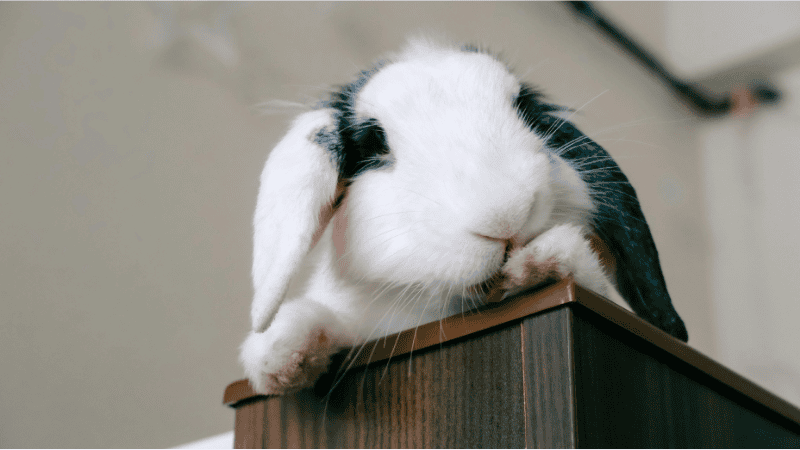
One of the most frequent questions new owners ask is, “How much space does a rabbit actually need?” In 2026, we’ve moved away from the idea of “tiny cages.” Rabbits are active, intelligent animals that need room to hop, stretch, and play. Choosing a cage that is too small can lead to health issues and behavioral problems. Here is exactly how to pick the right size for your furry friend.
1. The “4-Hop” Rule
A general rule of thumb used by rabbit experts is the 4-hop rule. Your rabbit’s enclosure should be at least four times the length of your rabbit when they are fully stretched out.
- Small Breeds (e.g., Netherland Dwarf): Minimum 4-6 square feet.
- Medium Breeds (e.g., Holland Lop): Minimum 8-10 square feet.
- Large Breeds (e.g., Flemish Giant): Often require a dedicated room or a very large custom-built run.
2. Height Matters Too
Rabbits love to stand on their hind legs to look around. If their ears touch the top of the cage when they stand up, the cage is too low.
- Vertical Space: Look for a cage with at least 24-30 inches of height.
- Multi-Level Options: A 2-story wooden hutch is a great way to add more square footage without taking up too much of your floor space.
3. Living Space vs. Play Space
Remember, a cage or hutch is their “home base,” but it shouldn’t be the only place they stay.
- The “L” Shape: An ideal setup includes a secure sleeping area (the hutch) connected to a larger exercise pen (the run).
- Daily Exercise: Even with a large hutch, your bunny still needs 2-4 hours of supervised “floor time” in a bunny-proofed room.
4. Don’t Forget the Flooring
When choosing a size, also look at the material.
- Solid Floors are Best: Unlike some small animals, rabbits don’t have pads on their feet. Solid plastic or wooden floors are much safer than wire mesh, which can cause painful sores.