
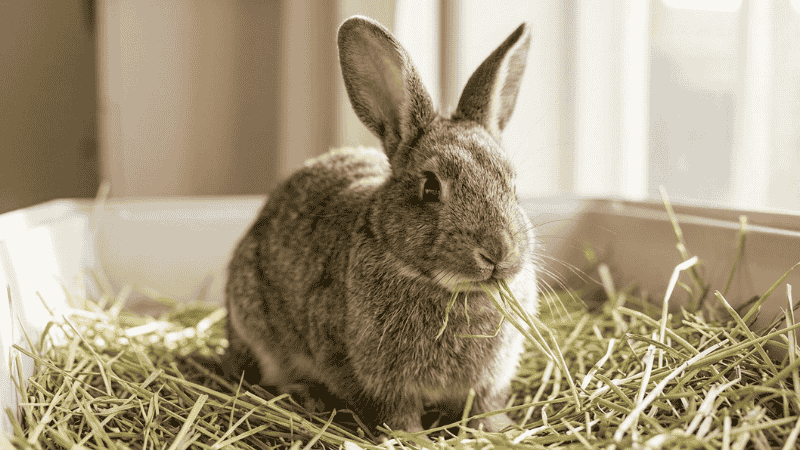
Bringing a rabbit home is an exciting experience, but these long-eared friends have very specific needs that differ from cats or dogs.
To ensure your bunny lives a happy and healthy life in 2026, you need to understand the basics of their diet, environment, and social behavior.
If you’re a first-time owner, this guide will walk you through everything you need to know to get started.
1. The Golden Rule: 80% Hay
The most common mistake new owners make is not providing enough hay. A rabbit’s digestive system is designed to process fiber constantly.
- Timothy Hay is Best: Always have a fresh pile of high-quality Timothy hay available. It keeps their gut moving and wears down their constantly growing teeth.
- Avoid Alfalfa for Adults: Alfalfa hay is too high in calcium for adult rabbits but great for growing babies (under 7 months).
Pro Tip: Invest in a drip-proof hay guard to keep the hay off the floor and mess-free.
2. Fresh Greens and Limited Pellets
While hay is the main course, variety is the spice of life for a bunny.
- Leafy Greens: Offer a cup of fresh greens daily, like Romaine lettuce, cilantro, or parsley. Avoid iceberg lettuce as it has no nutritional value.
- Measured Pellets: Don’t let your rabbit “free-feed” on pellets. About 1/4 cup of high-fiber pellets per day is usually enough for an average-sized rabbit.
- Fruits are Treats: Carrots and apples are high in sugar. Think of them as “bunny candy” and give only small slices occasionally.
3. Bunny-Proofing Your Living Space
Rabbits love to chew—it’s how they explore! If you plan to let your rabbit roam, you must protect your home.
- Cover All Wires: Use plastic cord protectors to prevent your bunny from chewing through power cables.
- Watch the Baseboards: Rabbits often nibble on wooden furniture or baseboards. Providing wooden chew toys can redirect this behavior.
- Safe Zones: Use a spacious indoor hutch as their home base where they feel secure when you aren’t home.
4. Hygiene and Litter Training
Believe it or not, rabbits can be litter trained just like cats!
- Litter Box Setup: Place a litter box in the corner where your rabbit naturally goes. Use paper-based litter (never clay or pine shavings, which can be toxic).
- Cleaning Routine: Clean the litter box daily to prevent odors and keep your bunny’s paws dry. A removable plastic tray in their hutch makes this 10 times easier.
5. Understanding Social Needs
Rabbits are highly social animals. They can get lonely and depressed if left alone for too long.
- Floor Time: Spend at least 1-2 hours a day sitting on the floor with your bunny. Let them come to you.
- Handle with Care: Never pick up a rabbit by the ears. Always support their hind legs to prevent spinal injuries.
Conclusion
Being a rabbit owner is incredibly rewarding. By focusing on a high-fiber diet, a safe environment, and plenty of love, you’ll have a loyal companion for years to come. Ready to set up their first home? Check out our top picks for the best indoor rabbit hutches here.